

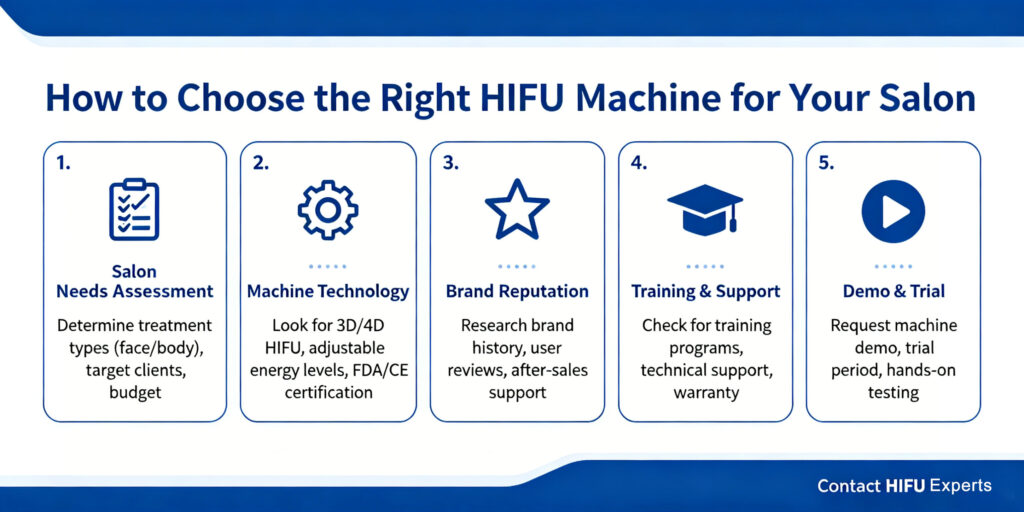
How to Choose the Right HIFU Machine for Your Salon
Introduction
High-Intensity Focused Ultrasound (HIFU) has become one of the most popular non-invasive anti-aging and skin lifting treatments in modern beauty salons. It delivers targeted thermal energy to deep skin layers, lifting sagging skin, reducing fine lines and wrinkles, and tightening facial and body areas without surgery, injections or long recovery time.
With dozens of HIFU devices available on the market, picking a suitable model for your salon can be confusing. The right HIFU machine not only satisfies your clients’ needs but also boosts your service revenue and salon reputation. This complete guide will walk you through all key factors to help you make a wise purchase decision.
1. Clarify Your Salon’s Service Positioning & Client Groups
Before comparing machine parameters, first define your business goals and target customers. This is the foundation of your choice.
- Client age and main concerns: If most clients are aged 25–40 focusing on mild facial sagging and early wrinkles, a standard facial HIFU device is enough. For clients over 40 with severe skin laxity, deep wrinkle issues or body tightening demands, choose a multi-functional HIFU machine with multiple treatment depths.
- Service pricing strategy: Budget salons for entry-level clients can select cost-effective basic HIFU models. Mid-to-high-end salons aiming for premium services should invest in professional, high-performance devices to support higher service charges.
- Treatment scope: Decide whether you only offer facial HIFU treatments, or also want to expand to neck, arms, abdomen, thighs and other body areas. Multi-purpose machines bring more service options and profit points.
2. Check Core Technical Parameters
Technical specs directly determine treatment effect, comfort and safety. Never ignore these key indicators.
2.1 Treatment Depths (Cartridges)
HIFU uses different ultrasound cartridges to reach different skin layers, and depth decides the treatment effect:
- 1.5mm cartridge: Acts on the epidermis and dermis, improves skin texture, fades fine lines and brightens skin tone.
- 3.0mm cartridge: Targets the deep dermis, mainly for facial tightening and reducing nasolabial folds.
- 4.5mm cartridge: Reaches the SMAS layer (the key layer for facial lifting), ideal for lifting sagging cheeks, jowls and neck skin.
- Body cartridges (6.0mm / 9.0mm / 13.0mm): Specially designed for body skin tightening, fat reduction and contouring on arms, belly and legs.
Suggestion: For full-service salons, pick a machine equipped with complete facial and body cartridges to cover all common treatment demands.
2.2 Ultrasound Frequency & Energy Output
- Standard HIFU frequency ranges from 4–7 MHz. Higher frequency works better for superficial skin problems, while lower frequency penetrates deeper.
- Stable energy output ensures uniform treatment effect and avoids uneven skin tightening. Avoid devices with fluctuating energy, which may cause discomfort or poor results.
2.3 Shot Count & Cartridge Lifespan
Each HIFU cartridge has a fixed total shot count, which relates to your long-term operating cost.
- Disposable cartridges: Common in many commercial HIFU machines. Calculate the cost per shot to estimate your consumable expense.
- Reusable cartridges: Lower long-term cost, but pay attention to its service life and post-maintenance requirements.
Choose machines with durable cartridges and affordable replacement costs to control your salon’s operating budget.
3. Prioritize Treatment Safety & Client Comfort
Safety is always the top priority for beauty equipment. A painful or risky device will drive away your clients.
- Cooling system: Built-in cooling technology can relieve thermal stimulation during treatment, greatly reducing pain. Clients can accept longer treatment sessions with a comfortable experience.
- Smart energy control: Modern HIFU machines are equipped with intelligent protection systems. They will automatically adjust energy or stop working if abnormal skin contact occurs, preventing burns and skin damage.
- Pain level: Compare feedback from real users. Professional salon-grade HIFU devices balance effect and comfort, so clients do not need anesthesia in most cases.
4. Evaluate Machine Performance & Durability
Salon equipment works for long hours every day, so stability and durability are essential.
- Continuous working ability: Choose devices designed for commercial heavy use, which can support all-day continuous treatment without overheating or failure. Household portable HIFU is not suitable for salon high-frequency use.
- Device material & build quality: High-quality shell and internal components extend the service life and reduce frequent maintenance troubles.
- Operation stability: Avoid cheap refurbished machines. Frequent malfunctions will interrupt your salon services and affect customer experience.
5. Learn About Operation & Training Difficulty
A user-friendly machine lowers your training cost and operational difficulty.
- Operation interface: Select devices with intuitive touch screens, clear function labels and simple parameter settings. New therapists can master the operation quickly.
- Operation complexity: Some professional models have preset treatment modes for different areas and skin problems. One-click mode helps standardize your salon’s service process.
- Professional training support: Formal suppliers usually provide free operation training, treatment techniques and customer communication guidance. This is especially important for teams without HIFU operation experience.
6. Verify Certifications & After-Sales Service
6.1 Official Certifications
Qualified commercial beauty machines must have complete industry certifications, which guarantee legality and safety for your salon business. Check local beauty equipment safety certifications before purchasing, to avoid legal risks.
6.2 After-Sales Support
- Warranty period: Confirm the official warranty time for the main unit and accessories. A standard 1–3 year warranty is reliable for salon equipment.
- Maintenance & repair service: Choose suppliers that provide fast after-sales repair, spare parts supply and remote technical support. Timely maintenance ensures your business runs smoothly.
- Consumable supply: Confirm long-term stable supply of replacement cartridges. If you cannot buy matching cartridges later, the whole machine will be useless.
7. Match Your Budget
Price is a key factor, but do not only chase the lowest price. Split your selection by budget range:
- Entry-level budget: Basic facial HIFU machine with classic 1.5mm/3.0mm/4.5mm cartridges, suitable for newly opened salons or salons newly launching HIFU services.
- Mid-range budget: Multi-functional HIFU with facial + body combined cartridges, stable performance and complete certifications, the most cost-effective choice for most mature salons.
- High-end budget: Top-grade commercial HIFU device with intelligent system, advanced cooling technology and exclusive treatment modes, matching high-end salon positioning.
Remember: A slightly higher investment on a reliable machine will save you more costs on maintenance and client loss in the long run.
Final Checklist Before Making a Purchase
- Does it match your salon’s service scope and target clients?
- Are the cartridges and treatment depths able to cover your mainstream treatments?
- Is the energy output stable, and is the treatment comfortable and safe?
- Is it designed for commercial long-time use?
- Is the operation simple, and can your team get professional training?
- Are there complete certifications and reliable after-sales service?
- Is the overall cost (machine + consumables) within your budget?
Conclusion
Selecting the right HIFU machine for your salon requires comprehensive consideration of positioning, technical performance, safety, operation, certification and budget. A suitable HIFU device will become a core profit-making project for your salon, attract repeat customers and build your competitive advantage in the local beauty industry. Take your time to compare and pick a formal, high-quality commercial HIFU machine, and your HIFU treatment business will achieve steady growth.
Note: The “D” series numbers (e.g., 7D, 12D, 25D) are not internationally recognized technical standards. They are mostly marketing labels used by manufacturers to differentiate product positioning. Generally, a larger number suggests more integrated functions and a wider selection of probe depths, while the core focused ultrasound technology remains the same.
🔬 Understanding the “D” and the reality behind it
- Origin of “D” – It stands for “Dimension”, originating from early devices that claimed to treat in three dimensions (length, width, height).
- The core is probe depth – In most cases, the number before “D” directly refers to the number of different probe depths the device supports. For example, a machine that supports 7 depths is often labeled “7D”.
- Beware of marketing hype – Because there is no unified standard, two different brands of “7D” machines can vary significantly in technology and results. When purchasing, do not rely solely on the “D” number – pay attention to actual probe types, number of laser shots (lines), brand reputation, and after‑sales support.
Related Hifu Products
HIFU MACHINES
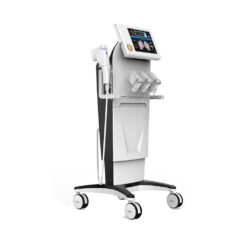
HIFU MACHINES
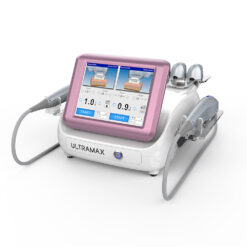
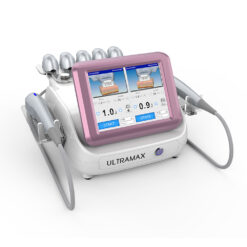
HIFU MACHINES
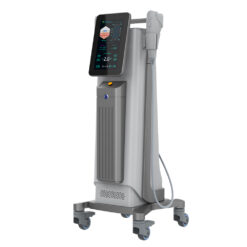
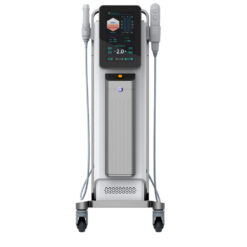
HIFU MACHINES
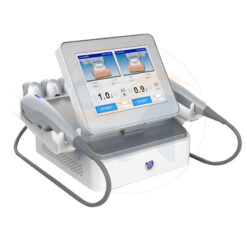
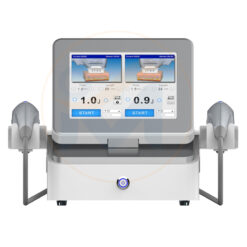
7D Hifu Machines
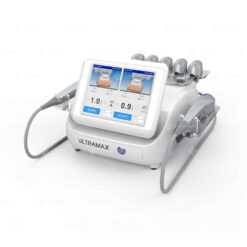
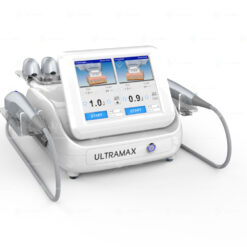
7D Hifu Machines